Kettle Energy Saving Tips UK: Only Boil What You Need (Without Killing the Ritual)
The most useful kettle energy saving tips UK households can use day to day start with one habit: stop overfilling. Heating more water than you need is the everyday waste that adds up across cups of tea and coffee, and you can cut it without dropping the morning ritual.
Direct answer: overfilling is the main everyday waste
If you only change one thing, match the fill to the drink. A kettle full for a single mug spends energy heating water that never goes into the cup. UK guidance consistently points to boiling only the volume you will use, rather than chasing exotic settings or complicated routines.
EST cue: only boil needed water
The Energy Saving Trust’s kitchen energy tips advise not overfilling the kettle and only boiling the water needed. The Trust also groups kettles with other kitchen appliances and repeats the same avoid-overfilling advice. Groundwork’s guidance for UK households relays that EST-style fill advice, and Expert Reviews’ kettle energy tips reinforce boiling only the volume required. Where public sources mention bill savings, treat those figures as source-attributed estimates, not a guarantee for your home.
Checklist: mug measure, min fill line, lower target temps when drinks allow
- Mug measure first. Fill from the mug or cup you will drink from, then pour into the kettle so the volume matches the drink.
- Respect the minimum fill line. Never boil below the marked minimum; that is a safety and performance limit, not a target to ignore for thrift.
- Use a lower target temperature when the drink allows. The Independent’s temperature-control kettle overview notes that lower set temperatures can avoid unnecessary full boils for drinks that do not need a rolling 100°C.
Hold/keep-warm caution: can reheat if left on
Keep-warm or hold-temperature modes can be convenient when you will pour soon, but leaving water holding for long stretches can mean reheating or topping up heat you did not need. If your kettle offers a hold function, treat it as a short window after a deliberate boil, not an all-morning background setting. Some models, including temperature-control kettles with a hold feature, can keep water at a set temperature for a stated period such as up to 30 minutes; that is a convenience feature, not an energy-saving promise.
Who should not obsess: households already mug-measuring
If you already fill to the mug, stay above the minimum line, and boil once per round of drinks, further micro-optimisation will rarely change much. Focus energy attention elsewhere in the kitchen and keep the kettle habit simple. Obsessing over every degree or every second is not required when the main waste—overfilling—is already under control.
Soft product CTA for clear water window / temperature control
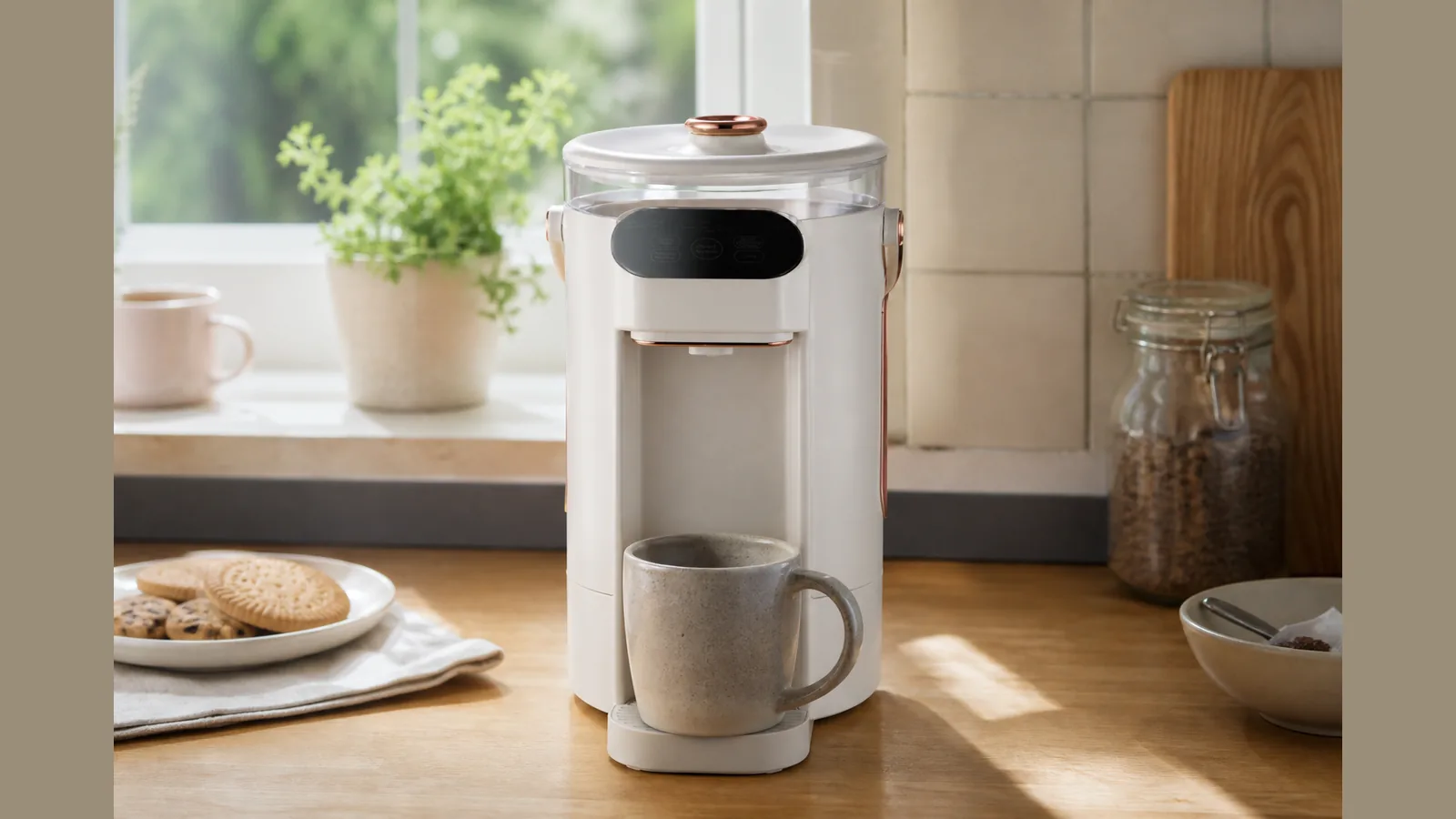
If you want clearer fill cues and settable temperatures so you can boil only what you need for tea, coffee or softer drinks, see the Ninja Perfect Temperature Smart Kettle product details for the current water window and temperature-control options.
FAQ
What is the single best way to save electricity with a kettle in the UK?
Boil only the water you need and avoid overfilling. That is the core message from Energy Saving Trust kitchen guidance and related UK appliance advice.
Does “only boil what you need” mean I should ignore the minimum fill mark?
No. Always stay at or above the kettle’s minimum fill line. Saving energy never means boiling an unsafe low volume.
Do lower temperatures always save more than filling carefully?
Not necessarily. Fill volume is the everyday lever. Lower set temperatures help when your drink does not need a full boil, as independent temperature-control coverage notes, but they do not replace mug-accurate filling.
Should I leave keep-warm on all morning?
Usually not. Use hold modes for a short, planned window. Leaving them on can keep heating water you are not drinking.